12th Sept 2026
The Thing About Indian D2C Brands We Can't Unsee
There's a strange phase almost every Indian D2C category goes through.
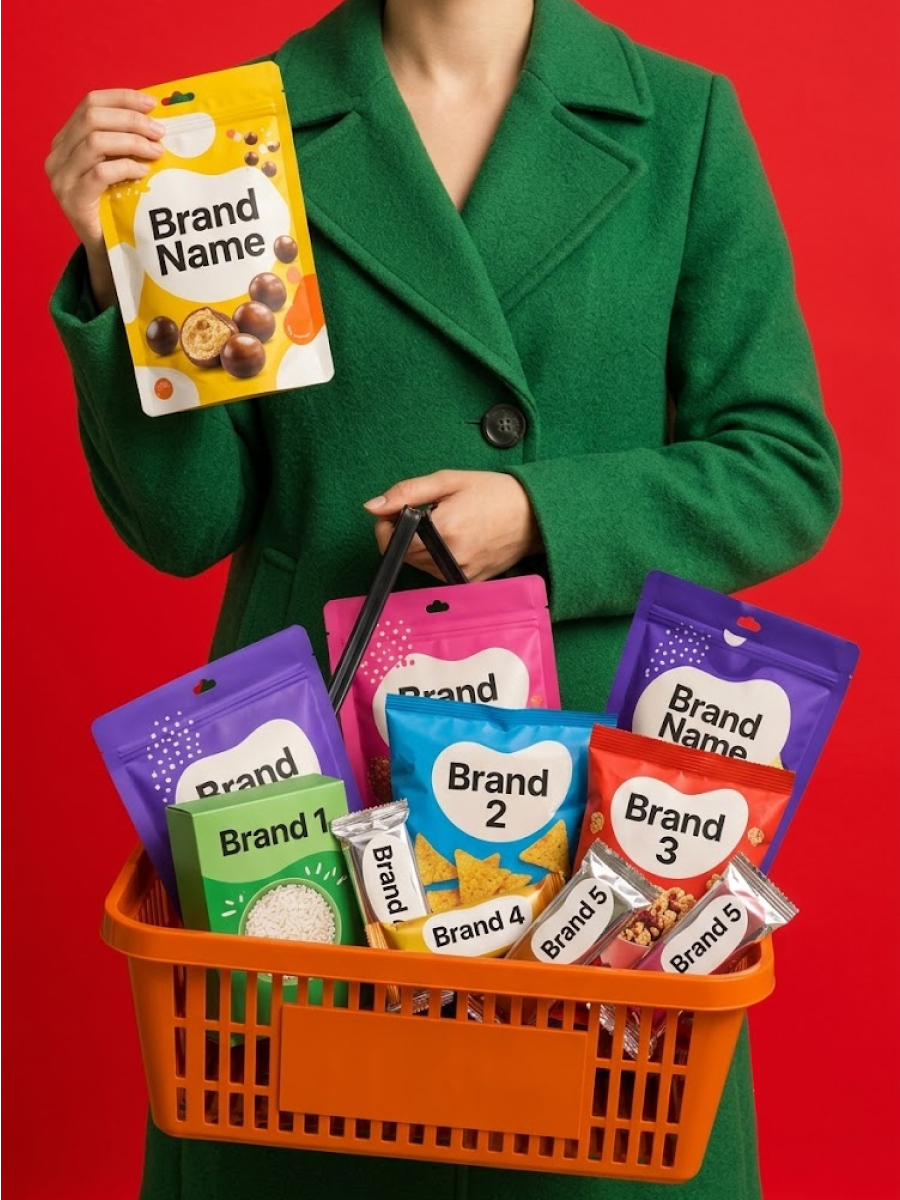
A new brand enters with a fresh idea. It stands out because it looks and sounds different. Customers notice. Sales pick up. Investors notice. More brands enter. And within a couple of years, everyone starts looking like everyone else.
Open five skincare websites. Then five coffee brands. Then five protein brands. Or five pet care brands.
The products are different.
The founders are different.
The stories are different.
But if you removed the logos, it would be surprisingly hard to tell which brand you're looking at.
That's not coincidence. It's imitation disguised as good taste.
Somewhere along the way, founders stop asking, "What fits our business?" and start asking, "What do successful brands in our category look like?"
The second question feels safer.
It also produces remarkably similar answers.
The same muted colour palettes. The same minimal packaging. The same friendly-but-witty copy. The same product photography. The same website layouts. The same Instagram grids. The same "clean" aesthetic that everyone seems to agree is what modern brands should look like.
Individually, none of these decisions are bad.
Together, they create a category where everything feels interchangeable.
That's a problem because customers don't compare brands the way founders do.
Founders compare positioning, margins, product quality and customer acquisition costs.
Customers compare memory.
Customers eventually compare products. But they can't compare the brand they forgot.
Memory is what earns you a place in the comparison.
Recognition happens before comparison.
If you aren't remembered, you rarely get considered.
Ironically, many founders believe blending into the category builds trust.
There is some truth to that. Looking completely unfamiliar can make a new business feel risky.
But looking exactly like everyone else creates a different problem.
You become credible, but forgettable.
That's an expensive trade.
Every marketing campaign has to work harder because the brand itself isn't carrying any memory forward. Every customer interaction starts from scratch because nothing distinctive accumulates over time.
The irony is that many brands eventually spend heavily trying to solve this through advertising.
They don't have an awareness problem.
They have a recognition problem.
Advertising can put you in front of more people.
It can't make you memorable if every touchpoint looks like the brand next door.
The strongest Indian D2C brands don't necessarily have the best design.
They have the clearest point of view.
You can recognise them without reading the logo. Their colours, photography, packaging, website, tone of voice and product experience all seem like they belong to the same company. Not because they're louder, but because they're consistent.
That consistency creates something competitors can't easily copy.
Not a colour.
Not a font.
A memory.
And that's the thing we can't unsee anymore.
The biggest challenge for many Indian D2C brands isn't standing out from bad brands.
It's standing out from dozens of good ones that all made the same creative decisions.
Your business shouldn’t
be waiting on its brand.
Have a brand to build, fix, or take further?
Tell us what you’re working on.
We’ll figure out the right next step together.